
Centralize your ERP and accounting data, and offline spreadsheets into a single, synchronized source of cash flow truth.








Native Enterprise & Cloud Accounting Integrations
Give your forecast a foundation in the financial information you already maintain.
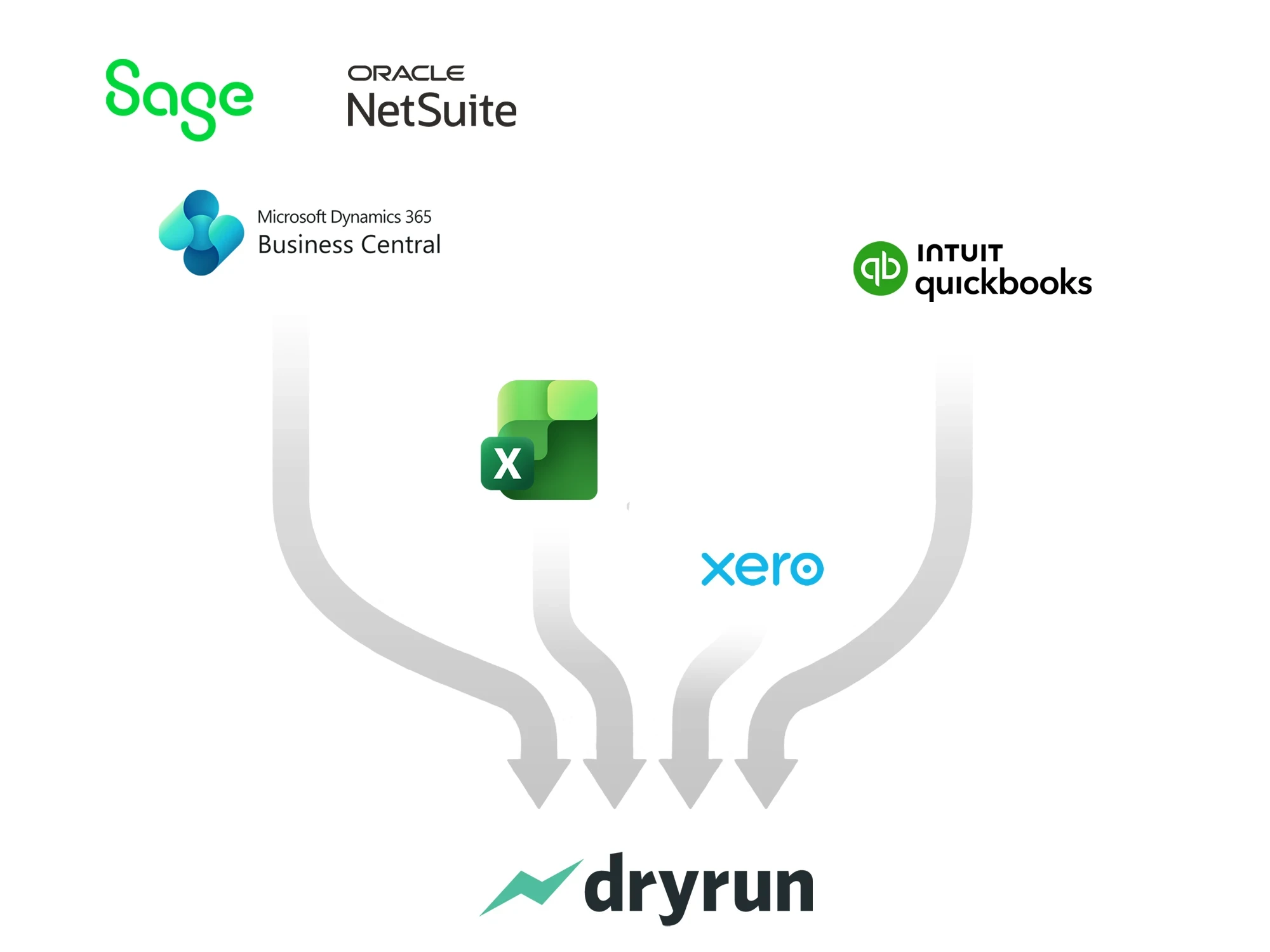
Dryrun connects directly with Sage Intacct, Microsoft Dynamics 365 Business Central, Oracle NetSuite, QuickBooks Online, and Xero. Bring accounting data into your forecast with less exporting, copying, and manual entry.
- Use Your Existing Systems: Connect Dryrun to your accounting platform and put its financial information to work in your forecast. Build on the systems your team already uses.
- Reduce Repetitive Updates: Refresh connected accounting data without repeatedly assembling spreadsheet exports. Spend more time reviewing changes and understanding their effect on future cash.
- Move From Records to Planning: Use imported financial activity as a starting point, then adjust expected timing and include future commitments. Turn accounting information into a cash outlook that reflects what you know is ahead.
Bring In Data From Anywhere
Include the information you need, wherever it lives.
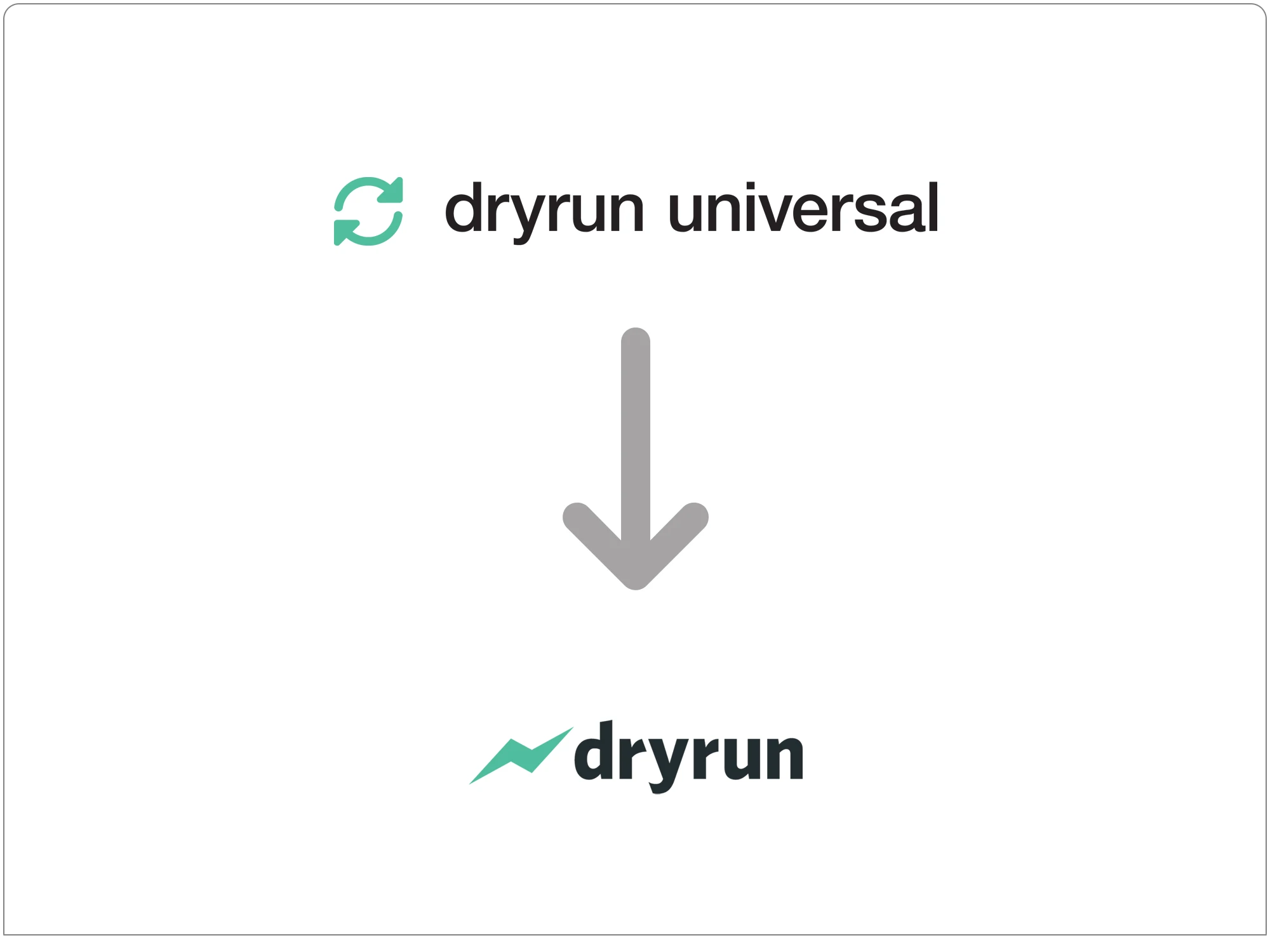
Your cash forecast may depend on more than one accounting system. Dryrun’s Universal Import brings in data from virtually any system, helping you include the financial and operational information needed for a fuller outlook.
- Drag, Drop, and Import: Bring exported data into Dryrun through a straightforward drag-and-drop process. Use information from other business systems and spreadsheets without re-entering each item.
- Automate with a Light Setup: Nearly any import can be fully automated to reduce recurring file handling. Keep information flowing into your forecast with less routine work for your finance team.
- Include the Whole Business: Bring together information from different systems, teams, or entities. Add project plans, budgets, and other relevant inputs alongside accounting data to capture more of what will affect future cash.
Make the Data Fit
Organize incoming information around the way your business operates.
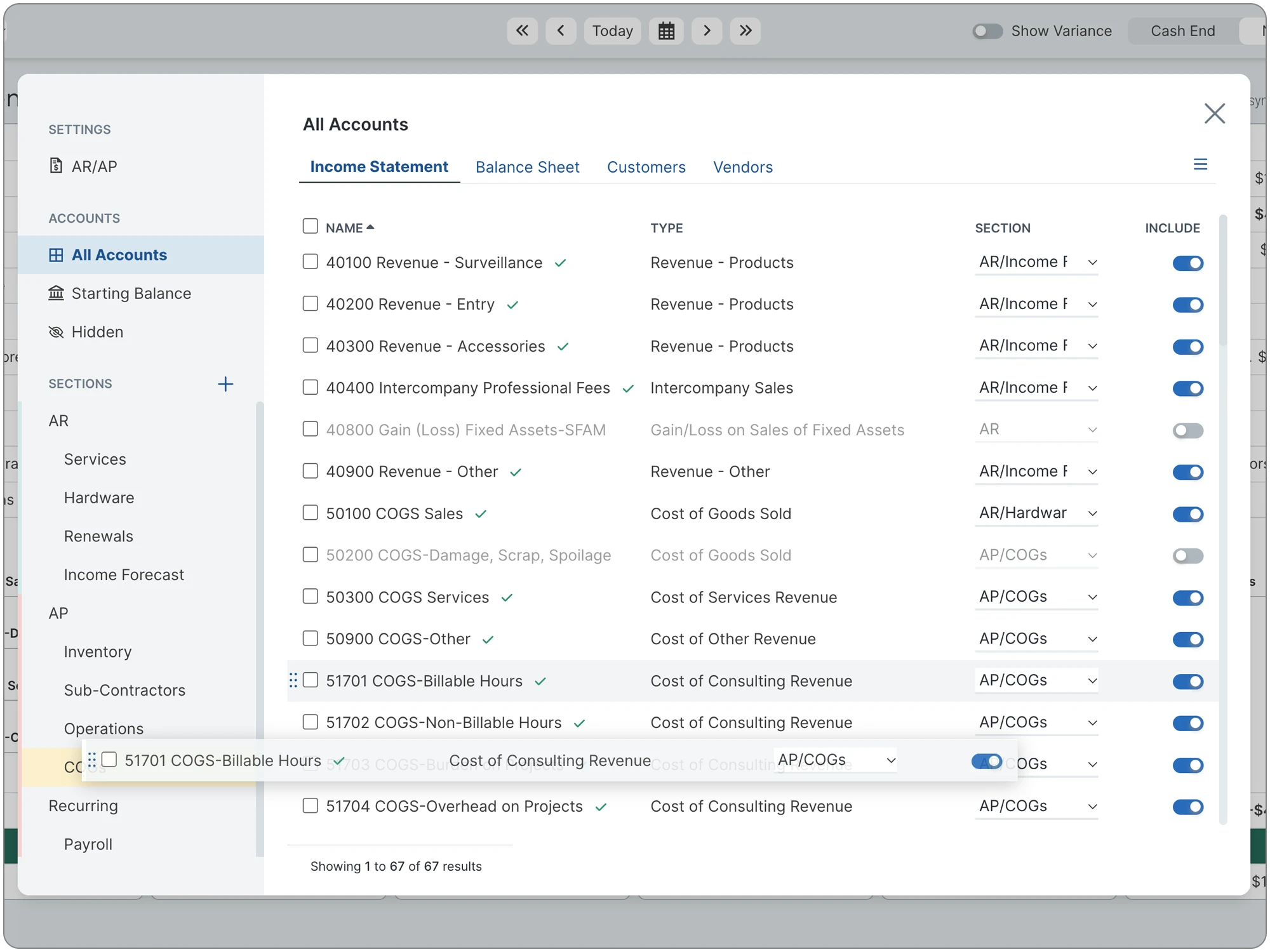
Once your data is in Dryrun, you can map and organize it to reflect your business’s structure. Give your team a forecast that matches how you plan, manage cash, and explain the numbers.
- Map Data to Your Forecast: Assign incoming information to the accounts and categories where it belongs. Turn different source structures into a consistent view your team can use.
- Build Around Your Business: Organize accounts and categories to reflect the activities that matter to you. Use meaningful names and groupings that make the forecast easier to maintain and understand.
- Create a Clear Basis for Decisions: Bring mapped information together so you can review cash needs, model alternatives, and explain the outlook. Spend less time translating disconnected data and more time using it.

Cash Flow from Your ERP


